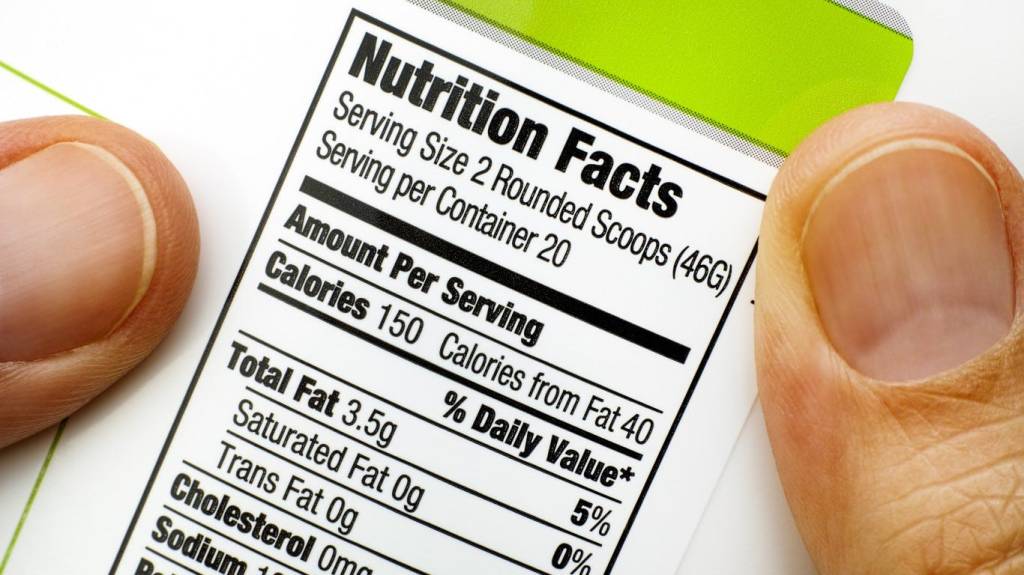

No matter how much work you put in, if you are not creating a calorie deficit, you are not going to lose weight.
When it comes to weight loss, the most important factor to consider is calorie intake. Simply put, to lose weight, you need to consume fewer calories than your body burns. This is known as a calorie deficit. In this article, we will delve into the basics of calorie deficit and weight loss.
What is a Calorie Deficit?
A calorie deficit is created when you consume fewer calories than your body needs to maintain its current weight. When your body does not get enough energy from the food you eat, it starts to use stored fat as a source of fuel. This results in weight loss.
The number of calories your body burns in a day is known as your Total Daily Energy Expenditure (TDEE). This includes the calories burned through physical activity, digestion, and basic bodily functions such as breathing and circulation. To create a calorie deficit, you need to consume fewer calories than your TDEE.
How to Create a Calorie Deficit
Creating a calorie deficit can be achieved in two ways: through diet and exercise. The most effective way to lose weight is to combine both diet and exercise.
Diet
To create a calorie deficit through diet, you need to reduce your calorie intake. This can be achieved by eating smaller portions, choosing lower-calorie foods, and reducing your intake of high-calorie foods such as sugary drinks and junk food. It’s important to note that reducing your calorie intake too drastically can be detrimental to your health and can slow down your metabolism, making it harder to lose weight in the long run.
Exercise
Exercise is an effective way to create a calorie deficit as it burns calories and increases your TDEE. Cardiovascular exercise such as running, cycling, and swimming are great for burning calories. Resistance training such as weight lifting and bodyweight exercises can also increase your TDEE by building muscle. The more muscle you have, the more calories your body burns even when you’re not exercising.
Benefits of Calorie Deficit and Weight Loss
The benefits of a calorie deficit and weight loss are numerous. Apart from the obvious aesthetic benefits, losing weight can improve your overall health and reduce the risk of chronic diseases such as type 2 diabetes and heart disease. It can also improve your mood and increase your energy levels.
It’s important to note that losing weight too quickly can be detrimental to your health. Aim to lose no more than 1-2 pounds per week. Losing weight slowly and steadily is not only safer but also more sustainable in the long run.
Conclusion
Creating a calorie deficit through a combination of diet and exercise is the most effective way to lose weight. By reducing your calorie intake and increasing your TDEE through exercise, you can create a calorie deficit that will result in weight loss. Remember to aim for slow and steady weight loss and to always prioritize your health.


Leave a comment